
Build a Madison County Owner Chain Backward
The source changes as the chain grows older. Online coverage reaches back only so far, so confirm the earliest available year with the office rather than guessing at a cutoff.
| Source | Years It Covers | Where Held | What It Shows |
|---|---|---|---|
| Recorded-document index | Coverage must be confirmed | Probate portal or office | Grantors, grantees, references |
| Deed books | Older eras | Probate or archive | Recorded transfers |
| Historic plats | Includes old county material | Assessor and Probate | Subdivision, lot, book/page |
| Assessment books | Includes 1800s material | Tax Assessor | Year-based owner clues |
Start from the parcel card for a modern tract. When an address or parcel number shifts over the years, follow book-and-page, plat, and legal-description keys instead.
Madison County GIS Gives a Prior-Owner Lead
Madison County's public parcel layer carries a PreviousOwners field. That field is a lead rather than an answer. It often repeats one name. Bonner Land & Cattle Company LLC appears as one such repeated value. That is a spelling clue, not a complete list of former owners. Search the name in Probate and require the legal description to match, since duplicate-looking values can reflect repeated data or multiple transactions.
Jump From a Madison County Parcel to Probate
One parcel shows how the pieces connect: PIN 584013, Lot 9 of The Terraces, plat 2023-391, and warranty deed 2023/46024 all point to the same land. The official deed-result route ends at an account gate.
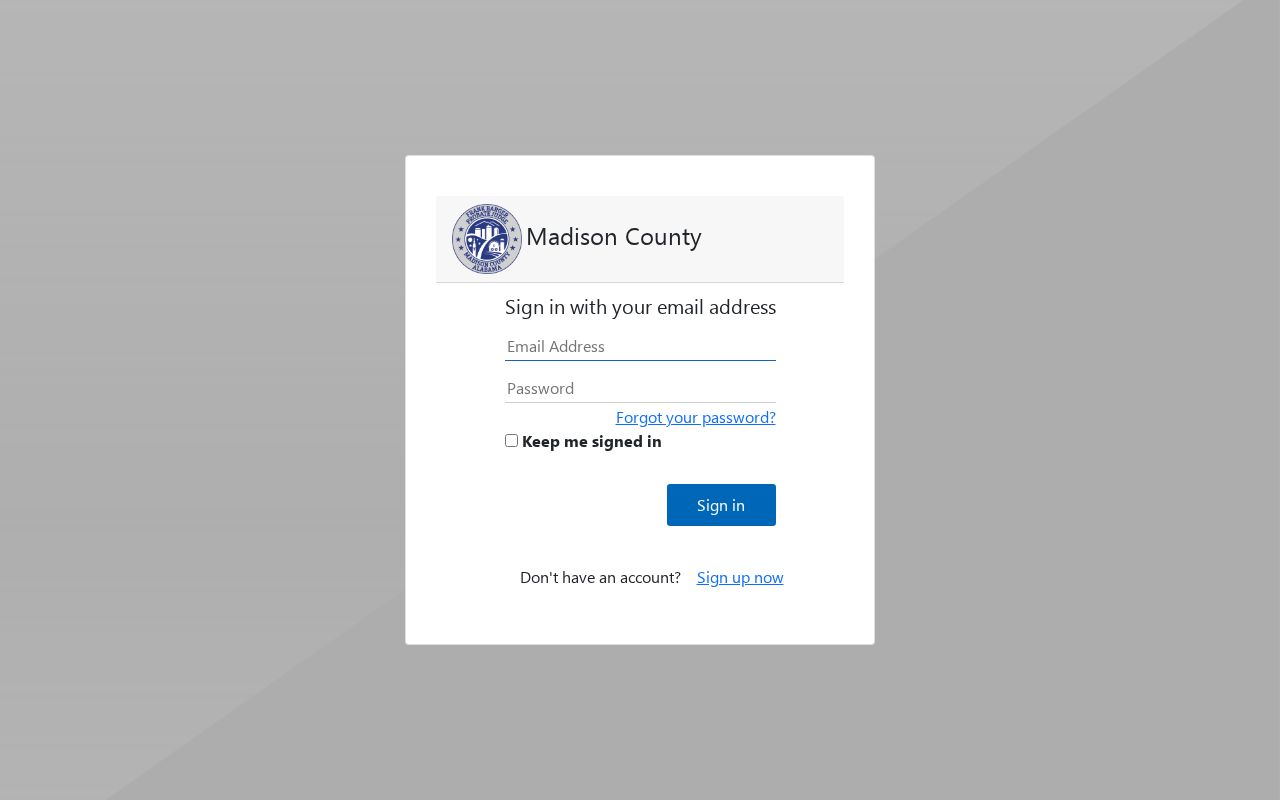
Save the deed reference before the sign-in redirect.
Hold the Madison County Legal Description Steady
Owner names change. A lot number, plat reference, section-township-range, or metes-and-bounds description can follow the same land across decades, so check it at every step and flag any split or partial interest.
- Grantor
- Party conveying an interest.
- Grantee
- Party receiving it.
- Chain of title
- Linked sequence of recorded transfers.
- Reverse index
- A route from a grantee back toward a grantor.
Walk Madison County Deeds in Reverse
The Probate Judge serves as the county's land-recording custodian. Gather every name, date, and deed reference from the parcel card before entering the free-account portal.
- Open the newest deed and copy grantor, grantee, date, and description.
- Search that grantor as an earlier grantee.
- Match the lot, plat, section, or other land text.
- Repeat, then move to office-held books when online coverage ends.
- Book/page
- A recorded-volume location.
- Instrument number
- A newer document identifier.
- Legal description
- The land wording used to verify continuity.
The Madison County Online Start Year Is a Gap
Neither the public page nor the unauthenticated portal states an earliest online year. Direct links redirect to sign-in. Coverage has to be confirmed. Open the official recorded-documents page, then ask Probate about online, terminal, and book coverage. Note: A missing portal result does not prove that no older deed sits in an office volume or archive.
Older Madison County Owners Need Books and Archives
The Assessor keeps old books. Assessment and plat volumes there include material from the 1800s, and Probate takes archive appointments at 6921 Highway 431 South in Owens Cross Roads. Deeper digging points further back. Pre-1940 probate estate and circuit material sits at the Madison County Records Center. Assessment books place names near land. Plats preserve lot identity, deeds carry conveyances, and estate or court files can explain a transfer, so ask each office about appointments, on-site books, microfilm, and copies.
Estates and Name Variants in Madison County
Estates interrupt many chains. Executor deeds, administrator deeds, court orders, and heirship clues can explain a gap between ordinary sales. Search the deceased owner, the estate, the representative, and the later grantee. Hold the legal description constant. Names hide in plain sight. Company suffixes, trusts, initials, and place names like Twickenham, Madison Station, Cloud's Town, and Vienna can guide a context search. But only a matched deed supports the chain.
Use Madison County Court Files to Explain a Transfer
Not every ownership change reads like a sale. A partition, quiet-title action, foreclosure, lis pendens, judgment, or mechanic's-lien enforcement may sit behind a later deed. The legal reason lives in court files. The Madison County Circuit Clerk keeps Circuit and District court records, and statewide routes include Alacourt, Just One Look, and AlaFile. Federal property litigation lands in PACER when jurisdiction puts the case in federal court. Search the names and approximate dates from the deed chain. Then match the case to the same land description or recorded notice. A same-name case is not enough. The Madison County court records request page provides the official copy-request route when the public search falls short. Computerized, paper, and archived or microfilmed requests carry separate charges, plus possible page and certification fees. Confirm the current total before ordering. Court papers can explain a transfer. They show why a former owner conveyed an interest. They cannot replace the recorded chain, though. Record the final order, sale document, or related instrument reference, then return to Probate to identify the conveyance that affected the parcel. That discipline keeps litigation context and land-record proof in their proper roles. Probate estate records do similar work after a death. An executor or administrator may convey land. A court order may authorize the sale. Search the estate name and the representative as variants, compare dates, and require the legal description to match. A family-history clue can point the way, but it does not add a former owner until the property record supports the link.
Trace Madison County Former Owners Off Screen
The web portal is just one channel. An empty search result is a coverage question, not proof that the chain of ownership ends. Take the last known book and page, deed year, party name, parcel number, and legal description to the recording office. Ask where the next entry lives. It may be online, at an office terminal, in a bound deed book, or in the historic archive. Probate also takes historic-archive appointments at 6921 Highway 431 South in Owens Cross Roads.
The Tax Assessor holds older assessment and plat books too. Some reach back to the 1800s. Local archives include a Madison County Records Center connected with the Huntsville-Madison County Public Library. Its collections hold pre-1940 newspapers, probate estate material, and circuit-court records. Confirm custody, access, and appointment rules before any visit.
Every fallback source answers a different question. Deed books prove recorded transfers. Grantee and grantor indexes open name routes into those books. Plats preserve subdivision, lot, and street geometry. Assessment books can place a taxpayer near land in a given year. Newspapers, city directories, cemetery records, and obituaries add context. Treat them as leads, never as proof.
Older place names unlock those supporting sources. Huntsville appears as Twickenham in early material, Madison as Madison Station, and New Hope as Cloud's Town or Vienna. Search both the historic and modern names beside a durable land description. A place mention alone does not pin down the parcel, especially near later city boundaries or annexations. Keep a log of each source, volume, search name, date range, legal-description match, and next reference. Gaps stay visible instead of being silently bridged.
How Far Back Madison County Previous Owners Go
The portal lists no confirmed start year for its property records. When the chain demands more, move from online references to deed books, plats, assessment volumes, archive appointments, and patent sources.
Lawful use. Previous-owner research supports house history, estate work, and property diligence. Never use names or addresses to track or harass a living person.
Even careful work hits walls. A documented Madison County deed chain can stop at an unresolved index gap, a changed legal description, or a volume nobody has inspected. Label that stopping point clearly. Never bridge it with a directory entry, a repeated GIS name, a family story, or a same-name court case. A later visit may extend the chain. The custodian's response must supply a matched instrument. Until then, the former owners you can claim are only those supported by the linked land records and their dates.